Program Overview
Data science and artificial intelligence are reshaping every industry and redefining how organizations make decisions. Gain the skills to solve real-world, data-driven challenges with confidence. In the Data Science and Artificial Intelligence Master’s Degree Program, you’ll:
- Master core methods across machine learning, deep learning, LLMs, data mining, and data visualization.
- Build with modern AI tools and infrastructure, from big data systems to cloud platforms and neural network architectures.
- Apply analytical thinking and statistical reasoning to real-world problems and drive smarter decisions.
- Develop leadership skills in the ethical, legal, and governance landscape of AI and data science.
- Graduate with a Harvard University degree: Master of Liberal Arts (ALM) in Extension Studies in the field of Data Science and Artificial Intelligence.
Courses
You can customize your course curriculum on your path to earning the degree. Learning — in online classes and the capstone project experience — is collaborative and hands-on.
Example Courses
Most online courses are asynchronous. Fall, spring, January, and summer options are available.
Example Core Courses
- Data Mining, Discovery, and Exploration
- Dynamic Modeling and Forecasting in Big Data
- Ethics, Governance, and Laws of Data Science, AI, and Creative Systems
- Introduction to Natural Language Processing
- Data Engineering for Analytics to Solve Business Challenges
Example Electives
- Artificial Intelligence, the Internet-of-Things, and Cybersecurity
- Deep Learning
- Foundations of Large Language Models
- Remote Sensing Data and Applications
Stackable Certificates
As you work your way toward your master’s degree, you can take courses that also count — or “stack” — toward a certificate. It’s a cost-effective, time-saving opportunity to build specialized skills and earn more professional credentials. For each certificate, you can choose courses that best fit your goals.
Stackable graduate certificates include:
Stackable microcertificates:
Admissions
The path to your degree begins before you apply to the program. You’ll earn your way in through our performance-based admissions, completing the following coursework and earning credits toward your degree right away:
- CSCI 101 Foundations of Data Science and Engineering
- CSCI 106 Statistical Data Modeling
Next Start Term
You can enroll in your first admission course this fall.
Spring 2027 registration is open November 5, 2026 – January 19, 2027.
Featured Faculty
Our data science instructors are highly rated educators, with students giving our faculty an average rating of 4.4 out of 5. Our faculty includes industry professionals from organizations like Accenture, Meta, and Massachusetts General Hospital, holding titles ranging from AI researcher to director of analytics.
Bruce Huang
Director, Information Technology Programs
Stephen Elston
Principal Consultant, Quantia Analytics LLC
Dmitry V. Kurochkin
Senior Research Analyst, Faculty of Arts and Sciences Office for Faculty Affairs, Harvard University
Career Opportunities & Alumni Outcomes
As organizations harness new technologies to gather and collect information more effectively, the demand for knowledgeable professionals with the skills to analyze that data correctly is growing faster than ever. According to the U.S. Bureau of Labor Statistics, jobs for data scientists and related positions are expected to grow 34 percent by 2034.
Career-Aligned Skills for Advancement
Jobs in data science and artificial intelligence can be found in any industry that collects information. With the skills you gain in the program, your career path could include:
- Developing new technologies for data mining
- Writing software to store and protect data
- Analyzing data through advanced modeling and visualization techniques
- Applying data-driven solutions to today’s business problems
- Apply deep learning and large language models (LLMs) to build intelligent systems for tasks like predictive analytics and automation.
Sample Alumni Job Titles
- Data Scientist
- Software Engineer
- Analytics Manager
- Data Engineer
- Director of Data Science
- Computer Systems Analyst
- Machine Learning Developer
- Big Data Architect
Sample Alumni Employers
- Adobe
- Deloitte
- Salesforce
- Ford
- Takeda
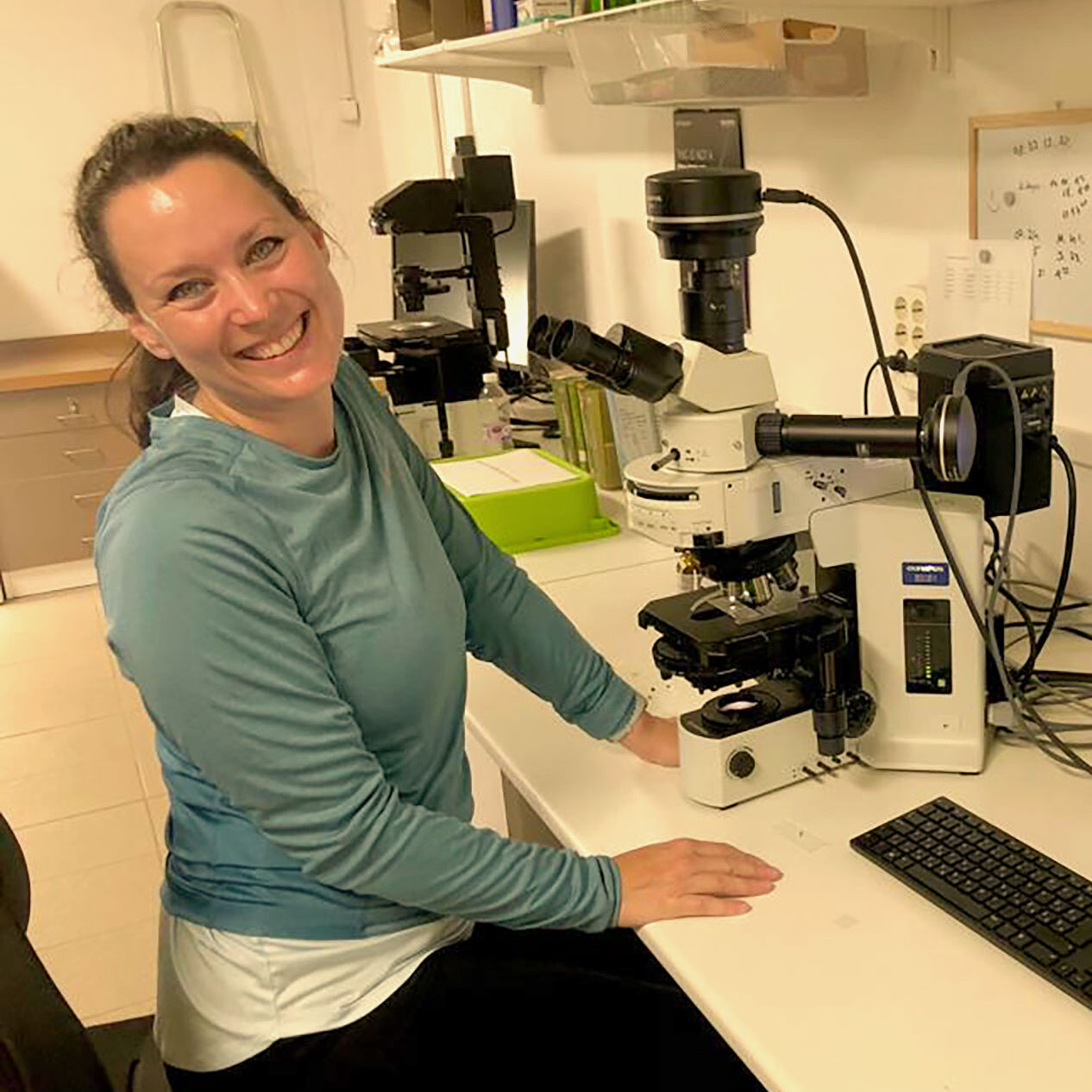
Research and take advantage of all that Harvard has to offer: the amount and range of opportunities is mind-blowing.
Data Science Master's Degree Program
Program Benefits

Experience a rigorous curriculum. 96% of recent graduates would recommend the program.

Access career advising and other services through Harvard’s Mignone Center for Career Success.

Develop a capstone project with peers and real-world industry partners.

Explore entrepreneurial opportunities through the Harvard Innovation Labs.

Become a member of the worldwide Harvard Alumni Association (400,000+ members) and Harvard Extension Alumni Association (29,000+ members).
Tuition & Financial Aid
Learn more about the cost of attendance.
FAQs
Who pursues the master’s degree in data science and artificial intelligence?
Students in the data science and artificial intelligence degree program are accomplished professionals with an average 11 years of professional experience. Many students are new to data science and are building a foundation to pursue career advancement (41 percent) or to deepen their expertise (31 percent).
What can you do with a master’s degree in data science and artificial intelligence?
A master’s degree in data science and artificial intelligence can prepare you for roles across many industries, from healthcare and finance to autonomous systems and emerging tech. Graduates may pursue positions such as data scientist, machine learning engineer, AI researcher, data architect, or analytics lead.
You will build skills spanning statistical reasoning, data engineering, machine learning, and the ethical frameworks needed to work with AI responsibly. This program can help you deepen your expertise, explore new application areas, or position yourself for more senior roles in a rapidly evolving field.
Is a degree in data science and artificial intelligence worth it?
While entry-level positions in data and analytics may not require a graduate degree, many middle and senior-level positions – such as data scientist, data architect, and most management positions – may require a master’s degree in data science. As AI raises the bar across industries, advanced expertise is increasingly valued.
A master’s degree in data science and artificial intelligence offers a combination of skills that can help you stand out and remain competitive in the job market. This program offers you the opportunity to gain in-depth knowledge of modeling, data visualization, data analysis, and business intelligence.
According to the U.S. Bureau of Labor Statistics, the 2024 median annual salary for data scientists and related positions is $112,590.
How long does it take to complete the data science and artificial intelligence graduate program?
Program length is typically between 2 and 5 years. It depends on your preferred pace and the number of courses you want to take each semester.
For an accelerated journey, we offer year-round study, where you can take courses in fall, January, spring, and summer.
While we don’t require you to register for a certain number of courses each semester, you cannot take longer than 5 years to complete the degree.
What prerequisites do you need before applying to the data science and artificial intelligence master’s degree program?
With Harvard Extension School’s unique “earn your way in” admissions process, there are no prerequisites required to begin your course of study in the data science master’s degree program. To be successful, however, the program assumes that you can write functions in Python and are comfortable with calculus. Learn more about what skills you need to be successful in the course curriculum.
Learn more about what skills you need to be successful in the course curriculum.