
Courses Design for Impact
At Harvard Extension School, our courses are the cornerstone of our academic offerings.
You may choose to take a single course — perhaps to build a new skill, explore a passion, or prepare for graduate school. Or you may decide to take courses in pursuit of a degree or certificate. The choice is yours.
Our courses are open enrollment, requiring no application to enroll. Whatever your goal, you’ll find courses that balance academic rigor with flexibility and value.
Why Harvard Extension

675+ courses in over 50 subjects

Harvard faculty and industry-leading professionals

Flexible course formats to fit your life

High-impact learning designed for real-world application

A global community of motivated lifelong learners just like you

Stackable pathways that can lead from a course to a certificate to a degree
Next Start Term
Spring 2027 Courses
Join us for class this spring. You can study on campus or online.
Spring Registration
Course registration is open November 5, 2026 – January 19, 2027.
Explore Courses by Popular Subjects
Arts, Literature, and Media
Business & Management
Life Sciences, Technology, and Sustainability
Social Sciences & Cultural Studies
Multiple Participation Options Offered Year-Round
We understand that you need flexible attendance options to balance school, career, and other life commitments.
We offer courses multiple times a year, with three participation options:
- Online synchronous. Held live over Zoom so you can see, hear, and speak with your classmates.
- Online asynchronous. View recordings to complete the coursework on your own schedule each week.
- On campus. Come to Cambridge for an active learning weekend or one- or three-week January session courses.
Learn more about our course participation options.
Fall Term
Full (15-week) and half (7-week) term courses between September and mid-December
January Session
3-week intensive courses
Spring Term
Full (15 week) and half (7 week) term courses from late January to mid-May
Summer Session
3-, 4-, and 7-Week options from June to August
Stack Your Course Into a Certificate or Degree
Whether you decide to take a course to sharpen your knowledge in your professional field or to fulfill a requirement elsewhere, you can easily turn that course into a microcertificate or graduate certificate with a few additional courses. If you’re ready to invest more time in your educational journey, you can stack those courses into a related graduate degree.
Microcertificates
Looking to boost your current career, impress a potential employer, or explore a new field of interest? Microcertificates can lower the cost and time barriers to earning a credential — and potentially kickstart a longer academic journey.
A microcertificate offers a set of short, competency-based courses designed to help you build and demonstrate mastery in a given area.
At Harvard Extension School, microcertificates offer a path to a credential that is shorter (only 2 courses), affordable, and highly focused on a skill set.
Graduate Certificates
Develop new skills and build expertise in a specialized area to advance your career. Graduate certificates from Harvard Extension School cover a range of topics from business and management to social sciences and cultural studies.
98 percent of our certificate earners report that they are confident that their certificate has prepared them for their next step.
Courses from your microcertificate can count toward a graduate certificate. Many graduate certificates are only four courses.
Graduate Degrees
Fit your continuing education journey into your life with flexible pathways that match your time, budget, and learning needs.
Earn a Master of Liberal Arts in Extension Studies degree in one of over 20 fields to gain critical insights and practical skills for success in your career or scholarly pursuits.
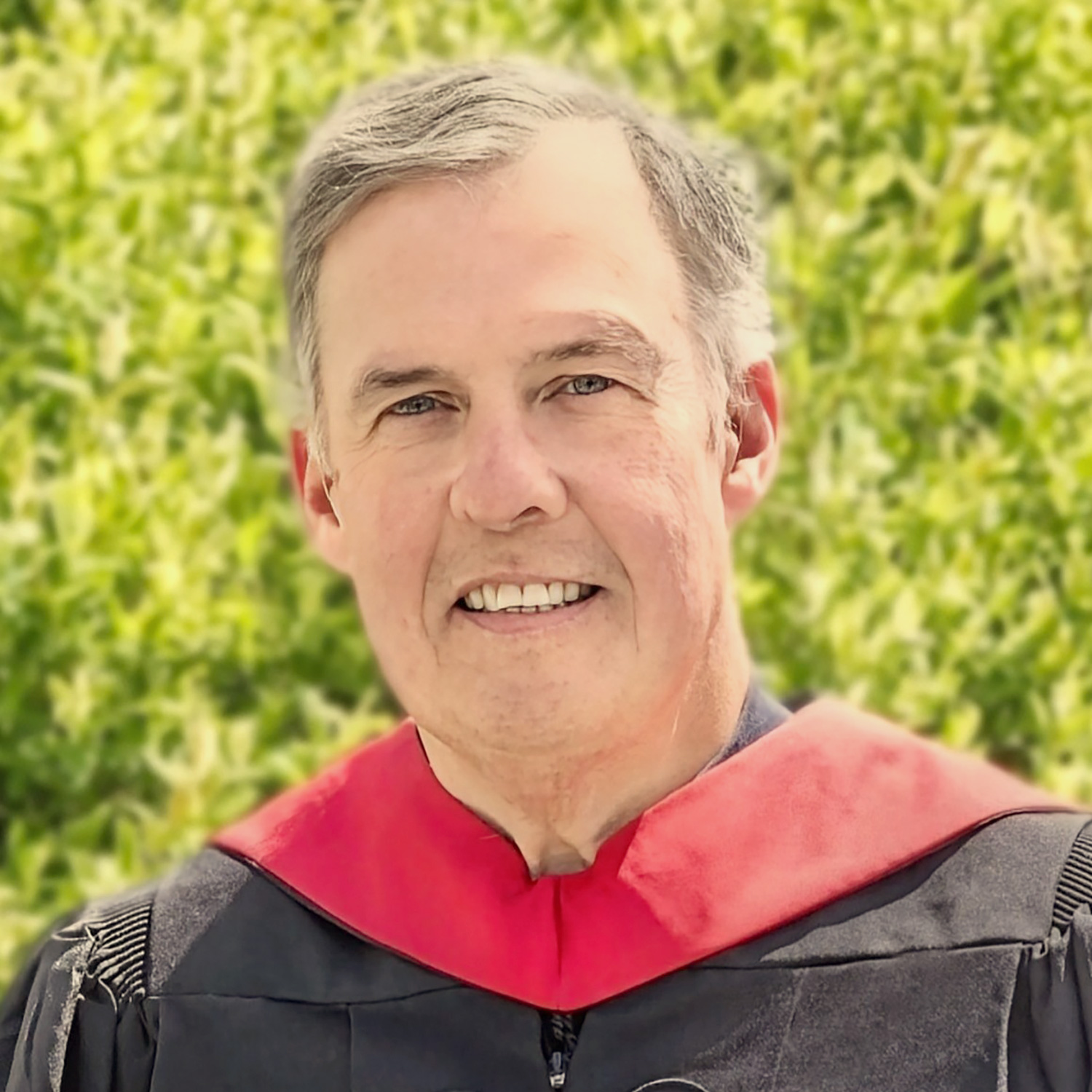
After my first course, something shifted: I could feel my definition of ‘what’s next’ getting larger. It felt like both a gift and a responsibility — the chance to choose a different use for my skills and my time.
Sustainability Master’s Degree Program
Course Tuition Rates
| Credit Level | 2026–27 Tuition for 4-Credit Courses |
|---|---|
| Undergraduate | $2,260 ($540 per credit) |
| Graduate | $3,580 ($860 per credit) |
| Noncredit | $1,660 |
Student Resources
Returning to school as an adult student can be overwhelming. Our Career and Academic Resource Center can help you prepare.
Career and Academic Resource Center (CARC)
CARC provides academic webinars covering a wide variety of study and research skills you’ll need to thrive at Harvard Extension School.
Whether you want to learn some effective note-taking strategies, prepare to give a presentation, or understand how to properly cite your sources in a midterm paper, you’ll find what you need in the online CARC resource library.
Visit the CARC website to explore all of these valuable resources and more.
Experience all that Harvard Extension Has to Offer
- Receive college credit. Harvard Extension courses are credit-bearing, can be applied to related Harvard Extension certificates and degrees, and may be transferable to other universities.
- Gain access to skill-building and career webinars, student resources, and Harvard University libraries.
- Develop a diverse network of peers like you — driven, experienced, and committed to growth.