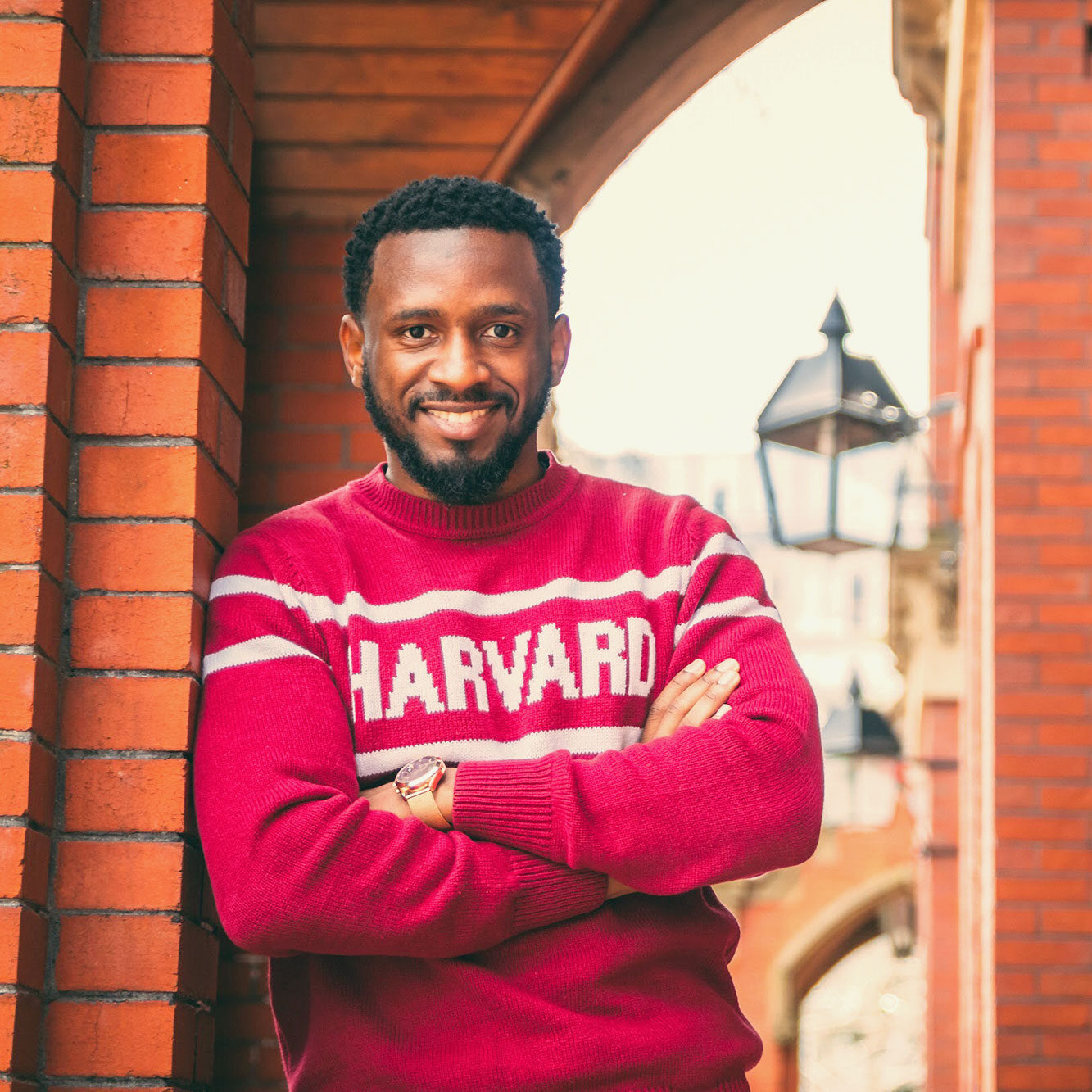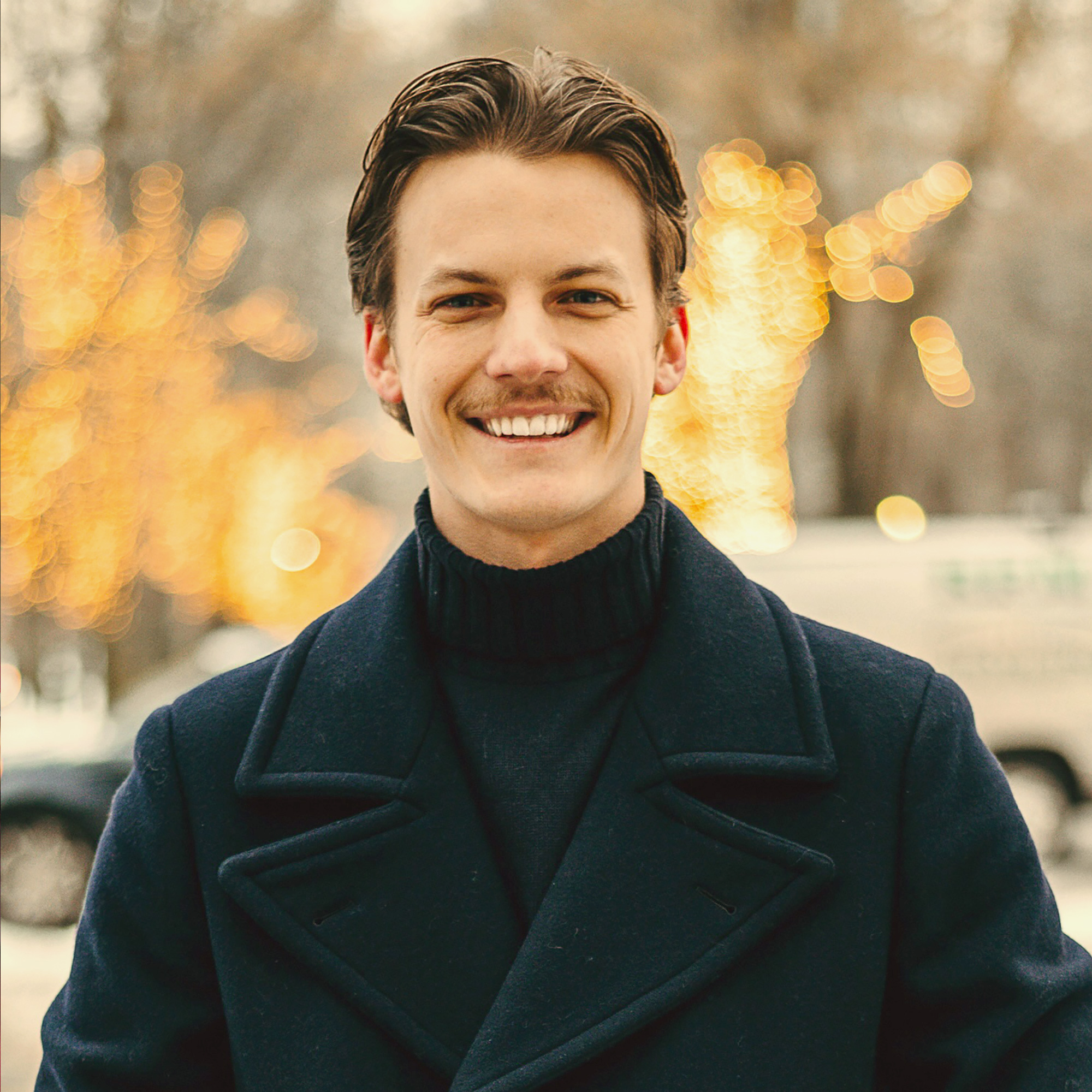
Cole Tibbs, ALM ’25, went from Navy cryptologist to Harvard Extension psychology master’s student to medical school. Here is how his time at Harvard Extension School shaped his path.
Transitioning From the Navy to Harvard Extension School
I have a very eclectic background, grounded in a lifelong passion for growth through learning. Immediately before I started taking classes at Harvard Extension School, I was a cryptologist in the U.S. Navy where I conducted signals and communications intelligence operations while deployed to the Persian Gulf.
I wanted to get a head start on graduate coursework while completing my four years of military service. I chose Harvard Extension because I wanted a high-quality education from a program that offered the flexibility my career required. My undergraduate degree didn’t give me the depth of knowledge or confidence I expected — and I’m not someone who wants to just coast through everything.
The academic rigor at HES really drew me in. I’ve never been someone who finds pride in something that came easily.
How the Psychology Master’s Degree Curriculum Changed My Thinking
At HES, courses and projects are designed to help you engage with the material, to help you really understand what you’re learning. As a result, my retention is far greater from my master of liberal arts in the field of psychology than from my bachelor’s program.
The psychology master’s program has required courses like any other degree, but it also allows you to build out whatever domain of knowledge that interests you. I focused on medical-oriented courses like clinical neuroanatomy and psychopharmacology, and I was able to engage in research and take courses related to addiction and human performance.
Since coming to HES, my mode of thinking has almost completely changed. The coursework and the mentorship from the instructors have really instilled in me this scientific inquiry and critical thinking mentality that has permeated all aspects of my life.
Whether it’s reviewing current events or talking with my 4-year-old nephew, having that open mind, that patience, and that willingness to explore all ideas critically has changed the way I interact with the world. That shift in thinking is also what helped set me on the path to medical school.
Learning from Peers Across Industries and Continents
The hybrid aspect of the program appealed to me. The first on-campus experience was a full weekend centered on a public speaking class. Many of my classmates flew in from around the world, and we all worked on speeches and projects together.
It was that class that really showed me how this university is different from others. I was sitting in a room with people from six or seven different countries and executives from Fortune 500 companies, and we were all on the same playing field. We were learning from instructors, but also gaining mentorship from each other. It really enhanced the learning experience beyond what the curriculum offers.
This carries over to online courses, too. With students from all walks of life, you have interesting, dynamic conversations when you’re tackling concepts in class. Having 40 different beliefs and backgrounds on how to approach various ethical issues in a setting of mutual respect is something I’ve not encountered anywhere else.
Put simply, Harvard’s culture is one of curiosity and excellence. Coming here allowed me to take advantage of diverse ideas in an environment where we can thoroughly engage with them.
Building a Campus Life as a Hybrid Graduate Student
After I took the initial courses, I officially joined the hybrid program and moved up to Boston from Norfolk, Virginia. Being grounded on a campus was something that I couldn’t get with other schools. I thought I would just attend an in-person class only occasionally, but the more time I spent on the Harvard campus, the more my network grew in ways I never would have expected.
I initially came for the psychology degree, but I met people from the veteran society and psychology club. I even joined one of the club sports teams. Almost immediately, I felt like I was part of a family here.
Everyone at Harvard Extension School is here to acquire the same knowledge. Through in-person and online discussions, it’s clear that everybody is driven by their passions, and that energy enhances the learning for everyone.
Put simply, Harvard’s culture is one of curiosity and excellence. Coming here allowed me to take advantage of diverse ideas in an environment where we can thoroughly engage with them.
From Harvard Extension School to Medical School
While in the program, I worked in the surgical specialties department at Beth Israel Deaconess Medical Center, which exposed me to clinical work in many specialties, including urology, endocrinology, pulmonology and oncology. I also conducted research on adolescent substance use disorders at the Recovery Research Institute at Massachusetts General Hospital.
My coursework at Harvard prepared me for the rigors of research and enabled me to engage effectively with some of the best physicians in the world. Today, I approach medical school with that same open-eyed interest in learning.
It goes back to my eclectic background; I don’t like being pigeon-holed into a single profession. I’ve found that basically everything is interesting as long as you spend the time to learn enough about it, whether it’s the smallest concept in cell biology or entire fields like psychology and design. Being able to be that Renaissance person and expand my knowledge into various domains is just how I find fulfillment in life.
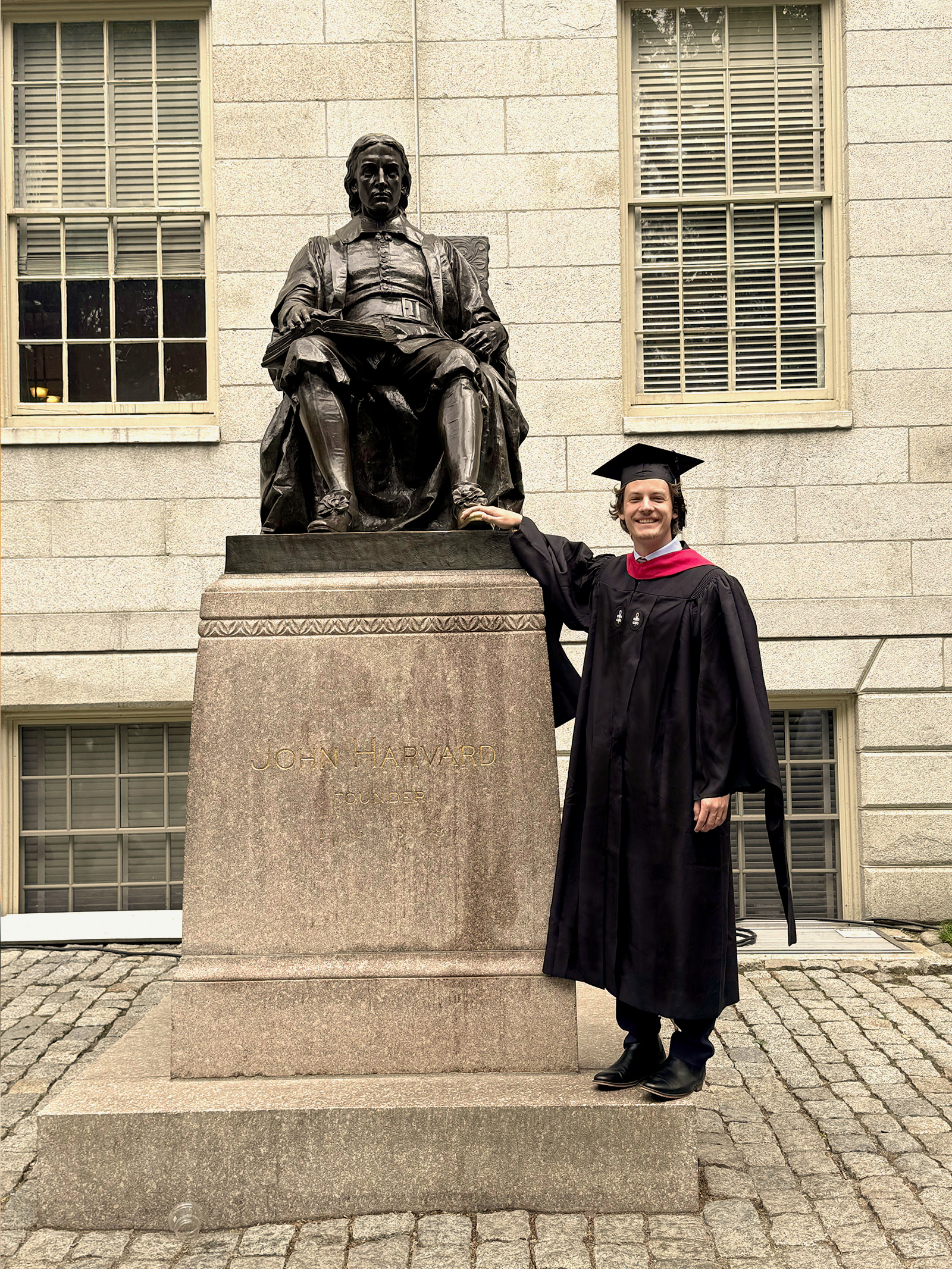
If I were to write a list of all the things I’ve learned — and the changes in me personally — it would be about a mile long. I’ve done a lot of things I’m proud of, but my two years at Harvard were genuinely the most transformative — the kind of growth that touches every part of who you are, not just what you know.